Optimizing internal communication channels for HR
The average employee receives dozens of messages daily via email, chat, intranet, and newsletters. Too many channels lead to confusion, missed information, and frustration. Research shows that 38% of employees experience information overload due to poorly thought-out communication flows. For HR, this is a critical point of attention. Your messages about new policies, benefits, development opportunities, and organizational changes must not only arrive, but also be read and understood. In a hybrid work context, this only becomes more complex. The question is not whether you communicate, but how effectively you do so.
Why communication channels now require optimization
Many organizations have grown organically in their communication tools. First there was email, then came an intranet, followed by Slack or Teams, and meanwhile newsletters, town halls, and dashboards have been added. The result: no one knows where to look for which information anymore. This problem worsens in hybrid teams. Office employees receive information during coffee breaks or hallway conversations, while remote colleagues depend on formal channels. This inequality creates a second-class position for remote workers and undermines psychological safety. Successful organizations approach this strategically. They start with an audit of all existing channels and determine for each channel: what purpose does this serve, who is it intended for, and how do we measure effectiveness? This clarity prevents overlap and ensures employees know where to be for specific information.
The foundation: a central communication strategy
Before you optimize channels, you need a foundation. A communication strategy for HR starts with measurable goals that align with organizational objectives. Think of: increasing employee engagement by 15%, shortening onboarding time, or improving talent retention. These goals determine which messages have priority and through which channel they land best. A company like Paycor switched to personalized news digests instead of general emails, which led to more leadership visibility and higher engagement in their virtual-first environment. Practice requires a shared calendar where HR, communications, and department heads plan together when which messages go out. This prevents employees from being bombarded with five different updates in one week, while other weeks remain quiet. Input from different stakeholders helps refine messages and prevent overload. A central strategy also requires a single source of truth. This can be a modern intranet, SharePoint, or a specialized HR platform where all critical information is permanently findable. Employees shouldn’t have to search through old emails to find the new leave policy.
Channel rationalization: less is more
Too many channels dilute your message. The solution lies in rationalization: each channel gets a clear function that aligns with the nature of the information and urgency. Chat tools like Teams or Slack are ideal for quick updates, questions, and informal exchange. This is where short announcements belong: a reminder for a deadline, a quick poll, or a question to colleagues. The disadvantage: messages quickly disappear in the stream and are difficult to find back. Email remains powerful for formal communication that requires documentation. Think of contract changes, official announcements, or personal feedback. It works best when messages are personalized and contain a clear call-to-action. Motorola Solutions achieved an open rate of 72% by using modern emails with visual elements and real-time analytics. The intranet or a central knowledge hub functions as a reference work. This is where policies, handbooks, frequently asked questions, and resources are located that employees can consult at their own pace. This is a pull channel: employees come here themselves when they need information. Town halls and virtual meetings are indispensable for strategic updates and creating connection. They provide space for interaction, questions, and making company culture tangible. In hybrid settings, this requires extra attention to inclusivity: ensure that remote participants can be as engaged as office employees.
Personalization based on employee data
Generic messages to all 500 employees are rarely effective. A marketing manager needs different information than a production employee. Personalization increases relevance and engagement because people only receive what is important to them. AI-driven segmentation makes this scalable. You create dynamic groups based on department, location, role, or interests. A new policy for remote work you only send to hybrid employees. Development programs for leaders only go to that target group. Stanislaus State University had 68% of employees personalize their preferences, which resulted in a click-through rate of 19%. This works because people feel valued when communication is tailored to them, not as a mass broadcast. Tools like Cerkl Broadcast or advanced newsletter platforms offer these segmentation capabilities. Start with A, B testing: send two variants of a message to different groups and measure which performs better. This data helps refine your strategy. Personalization goes beyond segmentation. It also means optimizing timing. Send onboarding information exactly when new employees need it, not three weeks in advance. Send reminders for performance reviews at the right moment in the cycle.
Two-way communication as a foundation of trust
Effective communication is not one-way traffic. Employees who feel heard are more engaged and stay longer. Two-way feedback builds psychological safety and gives HR valuable insights into what’s happening. Integrate pulse surveys into your communication channels. A short poll at the end of a newsletter or after a town hall gives real-time feedback on how messages land. Deepler’s 2-minute surveys are perfect for this: quick, actionable, and with direct data insights. Nationwide Building Society’s ‘BIG Conversation’ collected ideas from 18,000 employees via surveys and events. This renewed their sense of purpose and led to concrete changes that employees themselves had proposed. The power lies in transparency: show what you do with feedback. Virtual town halls with interactive polls, Q&A sessions, and breakout rooms make large meetings more personal. Employees can ask questions, respond to plans, and provide input on strategic decisions. This creates ownership and alignment. Regular check-ins between managers and team members are another crucial channel. These one-on-one conversations provide space for personal discussions that don’t fit in group channels. Train managers to use these moments effectively for both giving and receiving feedback.
Data-driven optimization
Intuition is a start, but data provides certainty. Systematically measure how your communication channels perform and adjust based on insights. Look at open rates, click-through rates, response times, and engagement metrics. Flagger Force achieved an open rate of 58% by integrating analytics into their communication tools. They discovered which topics resonated, which times worked best, and which formats generated the most interaction. Go beyond superficial metrics. Also measure knowledge retention: do employees actually understand what you’re communicating? Short quizzes or follow-up questions help check this. If 70% of your team can’t explain a new policy after your campaign, you know the message didn’t land. Tools like Microsoft Viva Insights, intranet analytics, or specialized HR platforms provide insight into user behavior. Which pages are visited most? Where do people drop off? Which search terms do they use? Conduct a communication audit every quarter. Ask employees directly: which channels do you use most, where do you find the best information, and what frustrates you? This qualitative feedback complements quantitative data and reveals blind spots.
Implementation in hybrid teams
Hybrid work requires extra attention to inclusivity. Remote employees must not miss information that office employees naturally pick up. Multi-channel support with clear guidelines prevents this. Church & Dwight reduced email fatigue by deploying AI digests and segmentation. Their hybrid employees receive personalized updates that align with their work location and preferences. This increased efficiency and reduced frustration. Create hybrid guidelines that establish which information goes through which channel and when. For example: strategic updates always during all-hands meetings (recorded for remote colleagues), operational updates via email, and ad-hoc questions via chat. Organize regular virtual coffee moments or informal check-ins that strengthen social cohesion. These moments compensate for the lack of spontaneous office interactions and provide space for connection beyond work topics. Ensure all tools are accessible to remote employees. An intranet that can only be reached at the office excludes remote workers. Cloud-based platforms with mobile apps make information available everywhere.
From tactical to strategic
The future of internal communication lies in strategic enablement. Messages are not only informative, but directly link to business results and action. Employees not only understand what is changing, but also why and what is expected of them. This requires transparent leadership updates that sketch the bigger picture. When a reorganization is announced, explain how this contributes to strategic goals, what the impact is on teams, and which steps follow. This context reduces uncertainty and increases buy-in. Build templates with concrete action steps into your updates. A message about a new performance management system doesn’t end with the announcement, but gives employees clear next steps: take this training, complete your self-assessment by this date, schedule your conversation with your manager. Measure adoption via follow-up surveys or system analytics. If a new HR platform is rolled out, measure how many employees actually use it and where they get stuck. These insights help you adjust your communication and training.
Concrete next steps
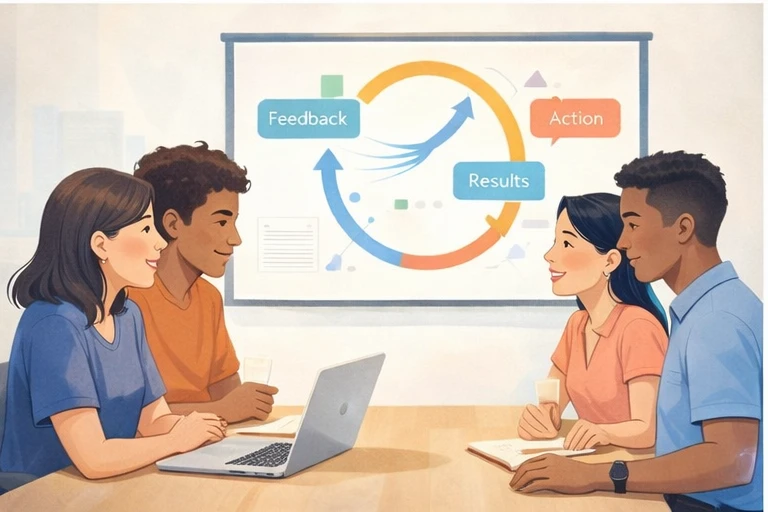
Start with a thorough audit of your current communication landscape. Inventory all channels, their target audiences, and frequency. Ask a representative group of employees where they search for information and what they’re missing. Set SMART goals for your communication optimization. For example: increase survey response by 20%, halve average search time on intranet, or bring open rate of HR newsletters to 60%. These goals provide direction and feasibility. Start a pilot with one department or team. Test new channels, formats, or frequencies on a small scale before rolling out organization-wide. Collect feedback, measure results, and adjust where necessary. Invest in the right tools that support your strategy. A modern intranet, a platform for pulse surveys like Deepler, or analytics software pay for themselves in time and effectiveness. Cheap solutions ultimately cost more through inefficiency. Train your managers and communication team in effective messaging. They are the links that translate strategy into practice. Give them templates, best practices, and room to experiment. Measure, learn, and optimize continuously. Internal communication is not a project with an end date, but an ongoing process that moves with your organization. The best HR teams make this a cycle of improvement that delivers tangibly better experiences for employees.