Verbeter prestatiebeheer met real-time feedback en data
Verbeter prestatiebeheer met real-time feedback en data De jaarlijkse functioneringscyclus staat ond...
Workload determines whether employees can do their work with energy and focus, or whether they consistently hit their limits. With Deepler’s Workload module, you measure per team where the load is too high, which factors contribute to it, and which teams need extra attention. This way you manage based on facts, not assumptions or complaints, but on the factors that determine whether work is achievable and sustainable.
Work pressure describes the extent to which the amount of work, complexity and available time are in balance with each other. Healthy work pressure can be energizing and help maintain focus. It becomes problematic when employees consistently have to do more than is feasible, experience insufficient recovery, or feel they have no influence over priorities.
High work pressure rarely results from a single cause. Often it is a combination of too many tasks, unclear expectations, interruptions, staff shortages and insufficient space to deliver quality work. This mix causes pressure to shift from temporary discomfort to prolonged stress, fatigue and eventually absenteeism.
By measuring work pressure concretely, you not only see that teams experience pressure, but especially where it comes from. This allows you to reduce work pressure with targeted actions instead of loose interventions.
The module measures not only whether work pressure is high, but especially which factors contribute to it: task scope, time pressure, interruptions, unclear priorities or insufficient influence. This shows you exactly where the pressure comes from.
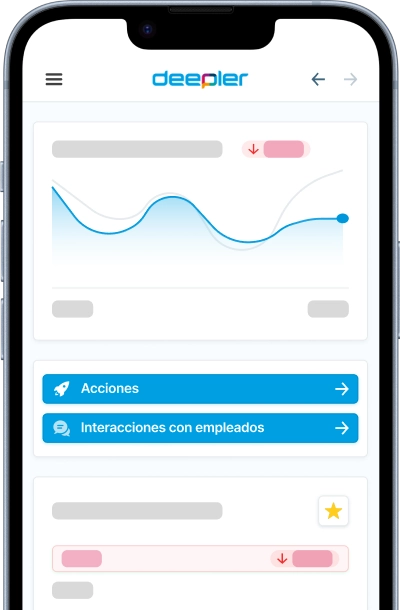
By measuring regularly, you recognize patterns before work pressure leads to stress, errors or absenteeism. You see which teams are consistently overloaded and can intervene sooner.
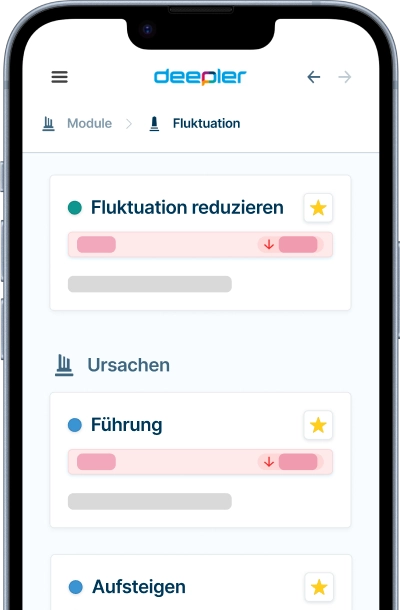
Work pressure varies greatly by team and situation. With concrete data, you choose the right interventions for each team: more capacity, clear priorities, fewer interruptions or more autonomy. This way you address the real causes.
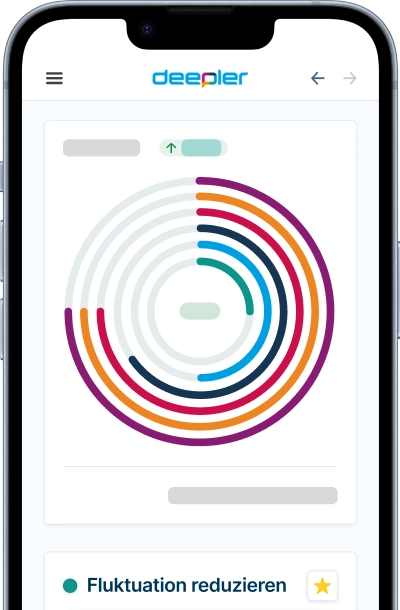
Work pressure is the ratio between the amount of work, complexity of tasks and the available time and resources. Healthy work pressure provides energy and focus. Excessive work pressure occurs when employees are structurally required to do more than is feasible, without sufficient recovery or influence on priorities.
When work pressure is too high, employees work harder to make up for the shortfall. This seems temporarily effective, but in the long run increases the risk of stress, errors, lower quality and absenteeism. For organizations, work pressure is therefore an important signal about how work is organized. Those who measure work pressure seriously gain earlier insight into bottlenecks in capacity, priorities and collaboration.
Reducing work pressure begins with recognizing causes. Is it too many tasks, unclear priorities, disruptions or insufficient influence? Effective interventions focus on concrete factors: clear expectations, better staffing, fewer interruptions or more autonomy. Small, targeted steps have more impact than broad actions without focus.
Yes, work pressure can be measured well through targeted questionnaires and data analysis. With Deepler’s module, you measure not only whether work pressure is high, but especially which factors contribute to it: task volume, time pressure, priorities, disruptions, influence and recovery. This gives you a concrete picture per team and allows you to steer specifically toward reduction.
Ensure that employees know what is most important and what is less urgent. Unclear priorities increase mental load and lead to fragmented work.
Too many interruptions and ad hoc requests significantly increase work pressure. Create space for focus by reducing disruptions and introducing structure.
Give employees more autonomy over how and when they do their work. More influence reduces perceived pressure, even if the amount of work remains the same.
Continuously monitor whether teams have sufficient capacity for the work expected of them. Staff shortages are one of the most important drivers of high work pressure.
This module maps how employees experience workload, across two main themes. Click a theme to see the underlying subthemes: this is the depth with which we make each theme concrete.
The Workload module measures how employees experience the balance between their work and work environment. Across two themes, it maps how work is organized and the extent to which the environment supports the work. Central to this is the workload: the extent to which tasks, time and environment remain manageable.

Discover in this video how organizations make workload discussable with Deepler’s module. From measurement to concrete team actions, see how it works in practice.
Work pressure rarely stands alone. Topics such as leadership, autonomy, collaboration, and psychological safety continuously influence each other. Combine this module with other Deepler modules to get a more complete picture of what’s really going on on the work floor, and to steer more effectively on the topics that have the most impact.
Experiences of customers who make a difference with us.
Larren
Recruitment Lead,
De Selectie

“Recently, I used Deepler to arrive at an EVP. Great what they were able to achieve in a short time! In a period of two weeks, we collected information and were able to continue with our AMC plan. In any other situation, it takes weeks, if not months, to get this done. Contact is good, friendly and constructive. Very nice club to work with.”

Douwe
Recruiter,
Securitas
“Ideal tool and company to gain more and better insight into the organization and employees as an organization! And especially with speed! For us, it was also the need to get tools for the topics of retention, to prevent future absenteeism or turnover. I also have experience with other parties and I sincerely value the speed of switching, follow-up and personal contact with Deepler. Absolutely recommended.”

Jolanda
HR Business Partner,
Nedcargo
“Deepler is a great tool for continuously collecting feedback from our employees. This input is then centrally available for us as management, but also for managers who benefit from it.”

Jonathan
Manager,
UWV
“What makes Deepler special is that it doesn’t get stuck in numbers. It helps you immediately understand where it is and what teams need. For us, this ensured that employees themselves came up with areas for improvement and took responsibility for them. The insights were sharp and useful, but most importantly: the conversation that started afterwards made the difference. Thanks to Deepler, we didn’t get a paper plan, but change that was supported by the people themselves.”
Amadeus
COO,
OSRE
“The software has a positive impact on us as a rapidly growing organization. By better understanding what is going on in the workplace and what people offer as solutions for improvements, we can make more effective decisions. The platform helps us to gain real-time insight and to respond directly to it via the tool.”

Schedule a free demo and discover how Deepler helps your organization measure and reduce work pressure. Our advisors are happy to think along with you.
Workload is the amount and complexity of work in relation to time and resources. Work stress occurs when that pressure is too high for an extended period and employees cannot recover sufficiently. Workload can be healthy, work stress is not.
With concrete questions about task scope, time pressure, priorities, disruptions, influence and recovery. You don’t just measure whether people are busy, but especially which factors cause the pressure. This gives you insight into what you can address.
Start with a baseline measurement and repeat periodically, for example every quarter or half year. During reorganizations, peak periods or rising absenteeism, an additional measurement helps to recognize signals faster and adjust accordingly.
Including task scope, time pressure, priorities, disruptions, autonomy, recovery, staffing, support from managers and the mental burden experienced by employees.
By using results as a starting point for discussion at team level. Discuss concrete patterns, ask for examples and choose targeted actions together. Give space for solutions from the team itself.
Staff shortages, unclear priorities, too many disruptions, lack of autonomy, poor coordination between teams, unclear expectations and insufficient time for recovery.
Start by identifying patterns per team. Then choose concrete actions that match the causes: clear priorities, better staffing, fewer disruptions or more autonomy. Measure again later to see if the workload decreases.
There is no separate legal obligation for a workload survey, but employers must ensure a safe and healthy work environment. A survey helps to substantiate that responsibility concretely with insight into employee experience.
Experiences of customers who make a difference with us.