Developing effective training programs with HR tech
The days when training consisted of an annual two-day session at a conference center are definitively behind us. Organizations that want to develop their people today need to work smarter. The labor market remains tight, roles are changing faster than ever, and employees expect development opportunities that truly fit them. HR technology makes it possible to develop training programs that are not only more effective, but also deliver measurable impact on your organization. The question is no longer whether you deploy technology for training and development, but how you do it in a way that truly works. Because let’s be honest: purchasing a Learning Management System is one thing, but ensuring that employees actually use it and benefit from it is quite another story.
Why traditional training no longer works
The classic training model has a fundamental problem. You send a group of employees to the same training, regardless of their prior knowledge, learning style, or concrete work challenges. One person gets bored because it’s too basic, another loses track because assumptions are made about prior knowledge. Afterwards, you fill out an evaluation form, everyone gives a 7.5 rating, and nobody actually knows whether anything has changed in daily work. Modern HR technology solves this by personalizing and making training measurable. Not as a futuristic gadget, but as a practical solution to a real problem. When you know where someone stands, what their learning goals are, and how this person learns best, you can offer development that truly connects.
From one-size-fits-all to personalized learning paths
The power of modern training technology lies in personalization. AI-driven systems analyze not only which skills someone has, but also which they need for the next step in their career. That may sound abstract, but in practice it means that a junior marketer receives different content than a senior, even within the same training on data-driven marketing. Adaptive learning systems adjust to the learner’s pace. Someone who grasps a concept quickly automatically receives deepening content. Someone who needs more time receives additional explanation and practice material. This happens without intervention from a trainer and without the learner having to feel embarrassed about their learning pace. The impact of this is measurable. Organizations that work with personalized learning paths see not only higher completion rates, but also better knowledge retention and faster application in practice. Employees experience the training as relevant to their work, which increases motivation and raises the likelihood that they will actually use the acquired knowledge.
Microlearning and today’s attention span
The average employee doesn’t have two days to fully focus on training. Work pressure is high, projects continue, and emails keep coming in. This is where microlearning comes in, breaking down complex topics into short, digestible modules of five to fifteen minutes. HR technology makes it possible to dose these microlearning modules intelligently. Instead of a marathon training day, employees receive small learning moments daily or weekly that fit into their work rhythm. A module during morning coffee, a short video between two meetings, an interactive quiz at the end of the day. The benefit goes beyond just time savings. Research shows that people retain information better when they receive it in small portions and repeat it regularly. Modern learning platforms use spaced repetition algorithms that ensure important concepts return at strategic moments, precisely when you’re about to forget what you’ve learned.
Data-driven insight into training effectiveness
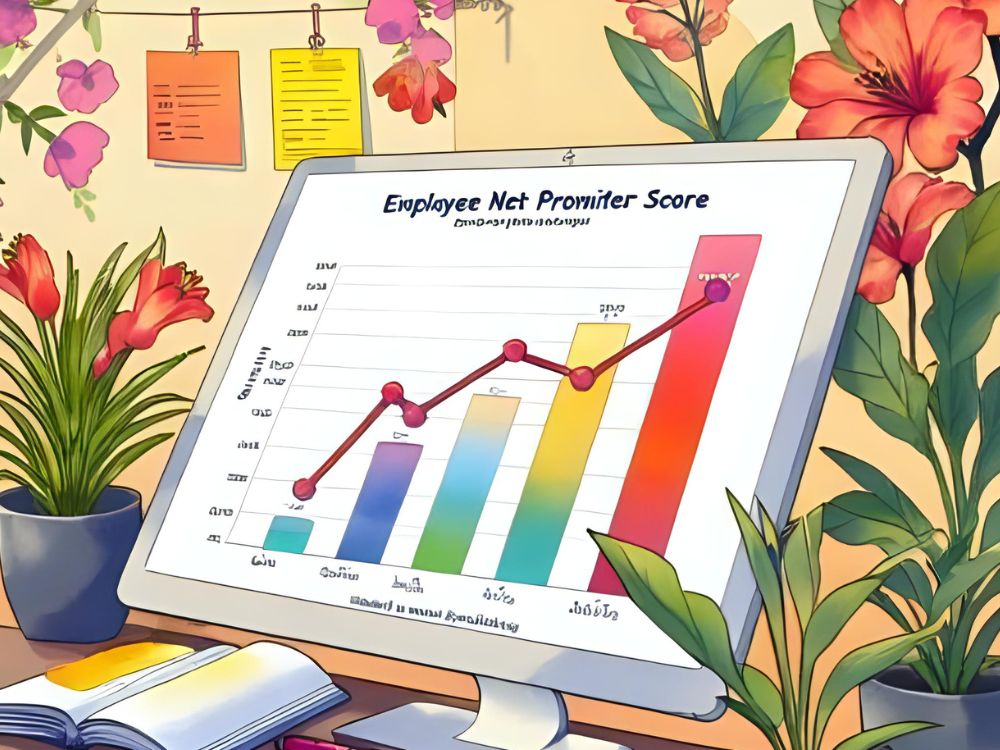
This is where it gets interesting for HR professionals who are used to questions like “what does all that training actually deliver?” With the right technology, you can finally answer with concrete data instead of anecdotes and assumptions. Modern training platforms measure not only whether someone has completed a module, but also how well someone masters the material, where bottlenecks are, and whether the knowledge is actually being applied. By linking this data to performance management systems, you see whether training leads to better results at work. At Deepler, we see organizations that combine training data with employee satisfaction and productivity measurements. This creates a complete picture of the impact of development programs. A team that has completed training in feedback skills scores significantly higher on psychological safety three months later. That’s the kind of insight that justifies training and helps to deploy budgets strategically.
Integration with your existing HR ecosystem
A common mistake is purchasing shiny new training technology that then functions as an island, separate from your other HR systems. The real power emerges when your training platform integrates with your performance management, your employee surveys, and your talent management. Imagine that a manager signals during a performance review that an employee is struggling with time management. In an integrated system, a relevant learning path can be assigned directly, tailored to this employee’s level and learning style. After completion, it’s automatically measured whether performance on this point improves. Or take employee surveys that show a team is struggling with internal communication. With the right technology, you can deploy targeted training on team skills and then check in the next measurement round whether scores have improved. This way, training doesn’t become a standalone activity, but a strategic instrument that connects with what’s really happening in your organization.
Mobile learning and the new reality
Hybrid working has become the standard, and that has consequences for how people learn. Training that is only accessible via a desktop at the office simply doesn’t reach part of your employees. Mobile learning modules, on the other hand, can be accessed anywhere and anytime. This goes beyond just accessibility. Mobile learning fits with how people consume information today. Short videos, interactive quizzes, podcasts you can listen to during your commute. The technology is there, and employees are used to learning this way in their private lives. Why wouldn’t you leverage this for professional development? Organizations that embrace mobile learning see higher engagement and better completion rates. Employees appreciate the flexibility and the ability to learn when it suits them. For HR, this means your development programs become more accessible without having to compromise on quality.
From implementation to adoption
The biggest challenge when introducing new training technology is not the technology itself, but ensuring that people start using it. This is where change management comes in. You can have the finest platform, but if managers don’t encourage their teams to get started with it, it remains an expensive investment without return. Successful implementation starts with involving stakeholders from the beginning. Not just HR, but also managers, team leads, and a representative group of employees. They help determine which functionalities are really needed and how the platform can best connect with work practice. Ensure clear communication about the why. Employees need to understand that this isn’t yet another new system they have to click through, but a tool that truly helps them get better at their work. Show successes, share stories from early adopters, and make it easy to get started with accessible first modules.
The role of managers in digital development
Technology can do a lot, but it doesn’t replace the role of managers. On the contrary, it gives managers better tools to develop their team members. With insight into which training someone is taking, how they’re performing, and where development points lie, conversations about development can become much more concrete. Modern HR technology gives managers dashboards where they can see at a glance where their team stands in terms of development. Who is falling behind with mandatory training? Who has recently acquired new skills that can be deployed in projects? Where are skill gaps that require attention? This shifts development conversations from reactive to proactive. Instead of looking back once a year at what has happened, you can continuously look ahead and steer. That’s where the combination of technology and human leadership becomes truly powerful.
Practical first steps
If you want to start improving your training programs with HR technology, don’t begin with choosing a platform. Start by mapping your actual needs. Which skills are critical for your organization? Where are the biggest skill gaps? What are the learning goals for the coming year? Use data you already have. Look at your employee surveys, performance reviews, and exit interviews. What do people say about development opportunities? What obstacles do they encounter in their work? These insights help determine which functionalities you need in a training platform. Test before you roll out. Choose a pilot group that is representative of your organization and have them use the platform. Collect feedback, adjust where necessary, and ensure you incorporate learnings into the broad rollout. This prevents having to adjust afterwards and increases the chance of successful adoption. Link your training programs to what’s really happening in your organization. At Deepler, we help organizations gain insight into themes such as workload, psychological safety, and team dynamics. When you know where the pain points are, you can deploy targeted training that has impact on these concrete challenges. This way, development doesn’t become a goal in itself, but a means to truly help your organization move forward.