Performance management remains a challenge for many organizations. The annual review cycle often feels like an administrative burden rather than a valuable tool for growth. Managers spend hours filling out forms, HR struggles with spreadsheets, and employees wonder what they actually get out of it. The core of the problem isn’t in the intention, but in the execution. Organizations know that regular feedback and development conversations are valuable, but the manual process consumes time and energy. That’s where automation comes in, not as a replacement for the human aspect, but precisely to create more space for it.
Most organizations still use a process that dates back to a time when we thought annual reviews were sufficient. A conversation in December about what happened in March not only feels outdated but is also ineffective for actual behavioral change. The problem is amplified by the administrative burden. Managers need to prepare weeks in advance, collect notes they should have been keeping all year, and fill out forms that ask more than they can answer. HR teams then spend weeks collecting, processing, and analyzing this data. Meanwhile, organizations miss valuable insights. Without real-time data on performance and development, you can only intervene once problems have already escalated. An employee struggling with workload only becomes visible in the annual conversation, while early detection could have prevented turnover.
What automation can and cannot do
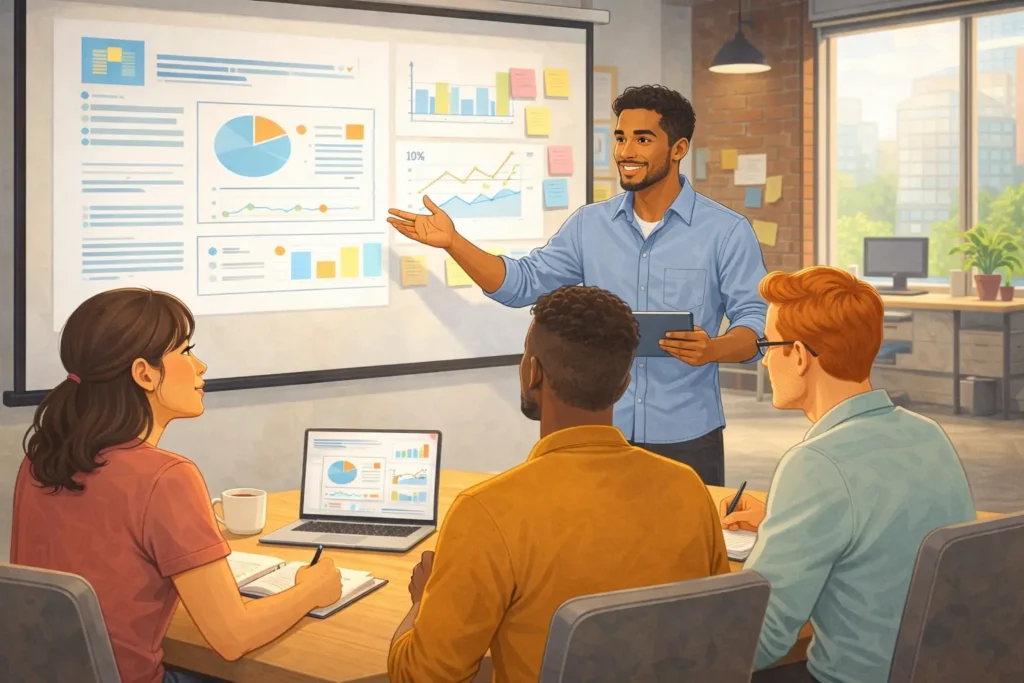
Automation in performance management isn’t about robots conducting performance reviews. It’s about smart systems that eliminate administrative hassle, so managers and HR can focus on what really matters: meaningful conversations and targeted development. Think of automated reminders for feedback moments, so managers no longer need to remember when to talk to whom. Or dashboards that automatically visualize trends in team performance, workload, and engagement. Systems that suggest development goals based on previous conversations and organizational objectives. What automation shouldn’t do is replace human judgment. An algorithm can recognize patterns and collect data, but cannot understand the context of why someone is having a difficult period. It can signal that someone may need extra support, so a manager can initiate the conversation in time.
From annual to continuous
The shift to continuous performance management is perhaps the most important change that automation enables. Instead of one big moment per year, you create space for regular check-ins and real-time feedback. Practically, this means setting up systems that support managers in frequent, short conversations. A platform that, for example, sends a brief weekly questionnaire to employees about their workload, priorities, and any obstacles. The results automatically reach the manager, who can then enter the weekly team meeting prepared. This does require a cultural shift. Employees must feel safe giving honest feedback, even when it’s not always positive. Managers must learn to work with data as a starting point for conversation, not as a final judgment. And HR must exchange the role of process controller for that of strategic advisor who helps managers with interpretation and follow-up actions.
Practical implementation in your organization
Don’t start by replacing your entire performance management system. Start with one element that causes the most pain. For many organizations, that’s collecting and processing feedback data. A first step can be automating feedback requests. Instead of HR manually sending emails, the system automatically asks the right questions to the right people at set times. Managers receive the input in a structured format and can focus on the conversation itself rather than on gathering information. The next phase is often real-time monitoring of team dynamics and workload. Platforms like Deepler make this possible with short, regular questionnaires that employees can complete in two minutes. The data is automatically analyzed and translated into concrete insights for managers and HR. It’s crucial that you bring employees along in this change. Explain why you’re automating, what you do with the data, and especially what you don’t do with it. Transparency about privacy and use of feedback creates the trust needed for honest input.
The role of data in better conversations
Automation provides you with data, but data alone doesn’t make better performance management. The art is to use that data as a starting point for deeper conversations, not as a replacement for them. A dashboard showing that workload in a team is structurally too high gives a manager concrete reason for a conversation about priorities and resources. Feedback from colleagues about collaboration offers starting points for development that go beyond general competencies. The danger is that organizations are tempted by false objectivity. Numbers feel objective, but always represent subjective experiences and perceptions. A low score on ‘teamwork’ may indicate a problem with the employee, but equally point to unclear expectations or dysfunctional team dynamics. That’s why data must always lead to conversation, not to conclusion. An automated system can signal and suggest, but the manager must add context and reach meaning and action together with the employee.
Measurable impact at organizational level
Organizations that automate their performance management see concrete results. HR teams report time savings of 40 to 60 percent on administrative tasks around reviews. They can invest that time in strategic issues such as talent management and organizational development. Managers indicate that they conduct better-prepared conversations because they have access to relevant data and trends. Instead of relying on memory or loose notes, they have a complete picture of someone’s development, feedback from others, and relevant context. But the most important impact is seen in employees themselves. Regular check-ins and timely feedback lead to higher engagement and lower turnover. People feel seen and heard, not only during the annual conversation but continuously. Development becomes a continuous process rather than an annual ritual. Organizations working with Deepler often see a difference within a few months. The combination of quick questionnaires, real-time insights, and concrete follow-up actions transforms performance management from an obligatory exercise into a valuable tool for growth.
Where to start tomorrow
The step toward automated performance management doesn’t have to be overwhelming. Start by mapping your current process and identify the biggest frustrations. Ask managers where they spend the most time, and employees what they’re missing in the current system. Then choose one element to improve. Perhaps that’s automating feedback collection, or implementing short questionnaires to monitor workload. Start small, learn from the experiences, and expand what works. Make sure you measure what it delivers from the start. Not only in time savings, but also in quality of conversations, employee satisfaction, and ultimately in retention and performance. That data helps you further optimize the process and create support for further automation. Performance management is ultimately about helping people grow and making organizations more effective. Automation isn’t the goal, but the means to create more space and focus for it. By removing the administrative burden, you free up time for what really makes a difference: meaningful conversations about development, ambitions, and collaboration.