Improving working conditions to reduce absenteeism
Absenteeism costs Dutch organizations billions of euros annually. But behind those figures lie stories of employees who drop out due to work pressure, a poorly designed workplace, or a culture where people don’t feel safe to raise problems. The good news? A large portion of this absenteeism can be prevented by structurally investing in better working conditions. Many organizations only react when the absenteeism percentage rises. They hold conversations with sick employees, engage occupational health services, and try to combat symptoms. But the real impact lies in prevention. Organizations that proactively work on healthy working conditions not only see their absenteeism figures drop, but also notice that engagement and productivity increase.
Why working conditions directly impact absenteeism
The link between working conditions and absenteeism is no mystery. Employees who deal daily with physical strain, high work pressure, or an unsafe work environment run significantly higher risk of dropping out. And that dropout often doesn’t come suddenly,it’s the result of a slowly building process. Think of the employee who struggles with excessive work pressure for months. First the breaks disappear, then sleep deteriorates, then stress complaints pile up. Until the moment when the body or mind says: this far and no further. Then we’re talking about long-term absenteeism that can last weeks or months. The same applies to physical working conditions. A poorly designed workplace leads to RSI complaints, neck pain, and back problems. Initially someone works through it, until the pain becomes so severe that functioning is impossible. The frustrating thing is that many of these situations can be prevented with relatively simple adjustments.
The foundation: structurally mapping risks
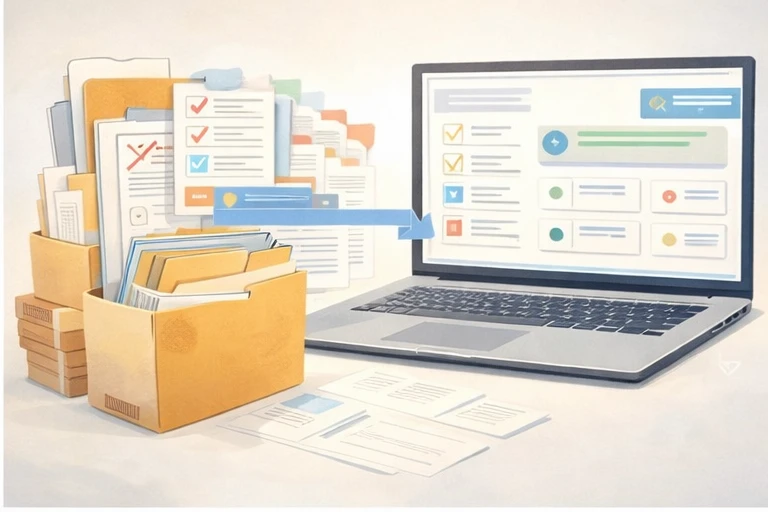
Every organization with personnel is legally required to conduct a Risk Inventory and Evaluation (RI&E). But too often this is seen as a box that needs to be checked, rather than as a valuable instrument to prevent absenteeism. An effective RI&E goes beyond filling in a standard form. It means really looking at what’s happening in your organization. Which departments deal with high work pressure? Where are the ergonomic risks? Which teams score low on psychological safety? These insights form the basis for a concrete Action Plan. The beauty of a thorough RI&E is that it objectifies what are often gut feelings. Managers sometimes think their team is doing fine, while employees have been giving signals for months. By measuring and monitoring structurally, you get a realistic picture of the situation. Deepler helps organizations realize this data-driven approach by systematically collecting feedback from employees and converting it into concrete action points.
Addressing work pressure before it’s too late
Work pressure is the primary cause of long-term absenteeism in the Netherlands. Yet it remains a difficult topic for many organizations. How do you know if work pressure is acceptable? And what do you do if it turns out teams are overloaded? The first step is recognizing that work pressure isn’t just about the number of tasks, but also about the degree to which employees experience control over their work. Someone can have a lot of work and still remain healthy, provided there’s sufficient autonomy to set priorities and determine the pace themselves. Conversely, even an average amount of work can lead to burnout if employees feel powerless. Regular check-ins with teams provide insight into how work pressure is actually experienced. Not once during the annual review, but structurally. Quick questionnaires, like those from Deepler, make it possible to see trends before problems escalate. Is the experienced work pressure rising in a particular team? Then you can intervene by adjusting priorities, offering extra support, or optimizing processes. Additionally, it helps to make expectations clear. Much work pressure arises because employees don’t know what is and isn’t expected of them, or because they think everything is always urgent. Clear communication about priorities and normalizing ‘saying no’ to extra work are simple but effective interventions.
The physical workplace: more impact than you think
A good office chair and an adjustable desk seem like details, but they make the difference between being able to work healthily and dropping out with physical complaints. Many organizations underestimate how much influence the physical workplace has on absenteeism. Ergonomic workplaces aren’t a luxury but an investment that pays for itself. An employee who drops out with RSI or back complaints doesn’t just cost the organization sick pay, but also productivity, replacement costs, and knowledge. Moreover, recovery often takes months, with a high chance of recurrence if the cause isn’t removed. But it goes beyond just furniture. Think of lighting that prevents eye complaints and headaches, sufficient ventilation for concentration and wellbeing, spaces where employees can unwind for a moment. Sound also plays a role, especially in open offices where concentration is difficult and stress can build up. Facilitating healthy habits also belongs here. Organizations that make it easy to move during the workday, that offer healthy lunch options, and that stimulate rather than discourage breaks, see this reflected in lower absenteeism figures. It’s about making healthy behavior the easy choice, not something employees have to consciously choose against the company culture.
Psychological safety: the invisible factor
The most underestimated cause of absenteeism is a lack of psychological safety. Employees who don’t feel safe to raise problems, who are afraid of negative consequences if they indicate they’re overloaded, or who don’t experience support from their manager, run much greater risk of burnout and long-term absenteeism. A culture where openness is encouraged and where vulnerability isn’t weakness works preventively. If employees feel free to say “I can’t manage right now” or “I need help,” then problems can be solved small before they lead to dropout. Managers play a crucial role in this. Managers who regularly engage in conversation, who show genuine interest in the wellbeing of their team members, and who take action when signals are given, prevent much absenteeism. It’s not about complex interventions, but about being available and truly listening. Measuring psychological safety is difficult, because employees don’t readily indicate that they feel unsafe, especially not in an unsafe culture. That’s why anonymous measurements are so valuable. They provide insight into what’s really happening, without employees having to make themselves vulnerable. You can then use that data to improve in a targeted way.
From insight to action: implementation that works
Collecting data and identifying risks is step one. But the real impact lies in what you do with it. Too many organizations get stuck in analysis paralysis or make plans that are never executed. Effective implementation starts with prioritizing. You can’t tackle everything at once. Choose the interventions that have the greatest impact on absenteeism and start there. Perhaps that’s addressing work pressure in a specific team, or improving ergonomic workplaces for a risk group. Make concrete agreements with deadlines and responsible parties. “We’re going to work on better working conditions” is too vague. “By March 1st, every employee receives ergonomic workplace advice and necessary adjustments are implemented within two weeks” is concrete and measurable. Communicate transparently about what you’re doing and why. Employees need to see that their feedback is taken seriously and that action follows. This not only increases the effectiveness of interventions, but also the willingness to continue giving feedback in the future.
Measuring results and adjusting course
Investing in better working conditions costs time and money. That’s why it’s essential to measure whether interventions actually work. Is the absenteeism percentage dropping? Do employees experience less work pressure? Do people feel safer? Structural measurements provide insight into trends and effectiveness. Not just absenteeism figures, but also the underlying factors such as work pressure, autonomy, and work happiness. By measuring regularly, you see whether you’re on the right track or whether adjustment is needed. The beauty of a data-driven approach is that you can demonstrate what works. If it turns out that ergonomic adjustments lead to fewer physical complaints and lower absenteeism, the business case for further investments is quickly made. And if an intervention doesn’t have the desired effect, you can adjust course in time. Deepler supports organizations in setting up this continuous measurement cycle. By combining quick, regular questionnaires with in-depth analyses, you get a complete picture of what’s happening and where interventions have the most impact.
The investment that pays for itself
Better working conditions aren’t a cost item but an investment with demonstrable returns. Organizations that work structurally on prevention see their absenteeism figures drop, their productivity rise, and their employer brand strengthen. Employees stay longer, are more engaged, and perform better. The question isn’t whether you should invest in working conditions, but how you can best do so. Start by mapping risks and collecting feedback from employees. Use those insights to invest in a targeted way in the interventions with the greatest impact. And keep measuring to ensure you stay on course. Want to know how your organization scores on the factors that influence absenteeism? And want concrete tools to improve working conditions? Deepler helps you move from data to action, with quick measurements and usable insights that truly impact absenteeism and wellbeing.