The employee experience is under pressure. Today, employees expect the same user-friendly, intuitive digital experiences at work as in their private lives. At the same time, many organizations struggle with fragmented systems, cumbersome processes, and tools that offer more frustration than support. The question is no longer whether you deploy digital tools, but how you do this in a way that truly adds value for your employees. Because a poor digital workplace can just as easily lead to lower engagement, reduced productivity, and ultimately increased turnover.
The employee experience encompasses all interactions an employee has with your organization, from the first point of contact to the exit interview. Digital tools form the backbone of this experience, especially in hybrid and remote work environments. Research shows that organizations with a strong digital employee experience achieve up to 25% higher productivity and score significantly better on employee engagement. The difference isn’t in the number of tools, but in how well they align with the daily reality of your employees. When employees struggle with slow systems, unclear processes, or an abundance of non-integrated applications, it doesn’t just cost time. It affects their sense of appreciation, their ability to make an impact, and ultimately their decision to stay or leave.
Many organizations make the same mistake: they invest in new technology without thoroughly understanding what employees actually need. The result is a digital workplace full of underutilized tools and frustrated users. A classic example is the implementation of comprehensive HR portals that can theoretically do everything, but in practice are so complex that employees still call HR for simple questions. Or think of engagement platforms that send out extensive monthly questionnaires, while employees primarily need quick, actionable feedback loops. The other pitfall is fragmentation. The average employee switches between dozens of different applications daily. Each tool has its own login credentials, its own interfaces, and its own logic. This cognitive load weighs heavily on the employee experience and leads to avoidance behavior, where employees simply ignore crucial tools.
Successful digital tools for employee experience share a number of crucial properties. First and foremost, they are user-friendly and intuitive, without extensive training or manuals. Think of the two-minute rule: if an employee doesn’t understand how a tool works and experience value within two minutes, adoption is already at risk. Integration is the second critical element. Tools that work seamlessly with existing systems and workflows enormously lower the threshold for use. When employees can provide feedback from the tools they already use daily, such as Slack or Teams, response rates increase significantly. Speed and responsiveness make the difference between a tool that is embraced and a tool that is avoided. Employees expect real-time responses and immediate results. Platforms that collect data for weeks before anything happens miss the boat in a world where people are accustomed to immediate results. Personalization is the fourth characteristic. Digital tools that adapt to individual preferences, roles, and needs feel more relevant and less like standard solutions that ignore the reality of different functions and departments.
Practical applications that make an impact
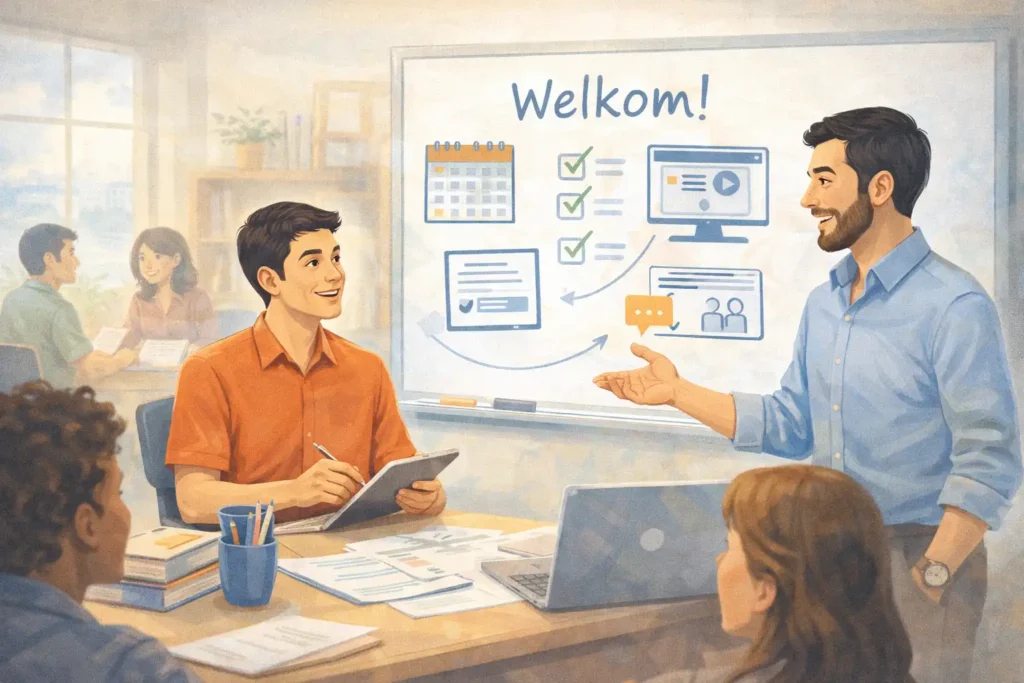
Look at how digital tools can address concrete HR challenges. In onboarding, for example, integrated digital platforms make the difference between a chaotic first week and a structured, valuable start. New employees get access to all necessary information, can track their progress, and feel connected to the organization more quickly. For continuous feedback and development, modern platforms offer alternatives to the traditional annual review cycle. Tools that facilitate real-time feedback, make development goals visible, and transparently share progress strengthen the growth mindset within teams and make performance management an ongoing conversation instead of an annual ritual. In the area of wellbeing and engagement, smart survey tools like those from Deepler make it possible to quickly and regularly keep your finger on the pulse. By deploying short, targeted questionnaires that employees can complete in two minutes, you get current insights without causing survey fatigue. The art is to move from data to action, where insights directly lead to visible improvements. Communication and collaboration benefit enormously from the right digital infrastructure. Platforms that promote transparency, make knowledge accessible, and connect teams regardless of location have become essential in hybrid work models. Think of digital workplaces where information is findable, expertise becomes visible, and collaboration occurs naturally.
Implementation that guarantees adoption
The best tool fails without thoughtful implementation. Start with a thorough analysis of the current employee experience. What are employees running into? Which processes unnecessarily consume time? Where are they missing information or support? These insights form the basis for well-considered choices. Involve employees from the beginning in the selection and implementation. Pilot groups that test new tools and provide feedback not only increase the quality of the final solution but also create ambassadors who stimulate adoption. People embrace change more quickly when they feel heard and have had influence on the decision. Ensure clear communication about the why behind new tools. Employees must understand what problem is being solved and how this improves their daily work. Transparency about the purpose, expectations, and benefits prevents resistance and cynicism. Training and support must be accessible and low-threshold. Think of short video tutorials, support from colleagues, and a helpdesk that responds quickly. The first experiences with a new tool are decisive for long-term adoption, so invest in a smooth start.
From data to action: where many organizations fail
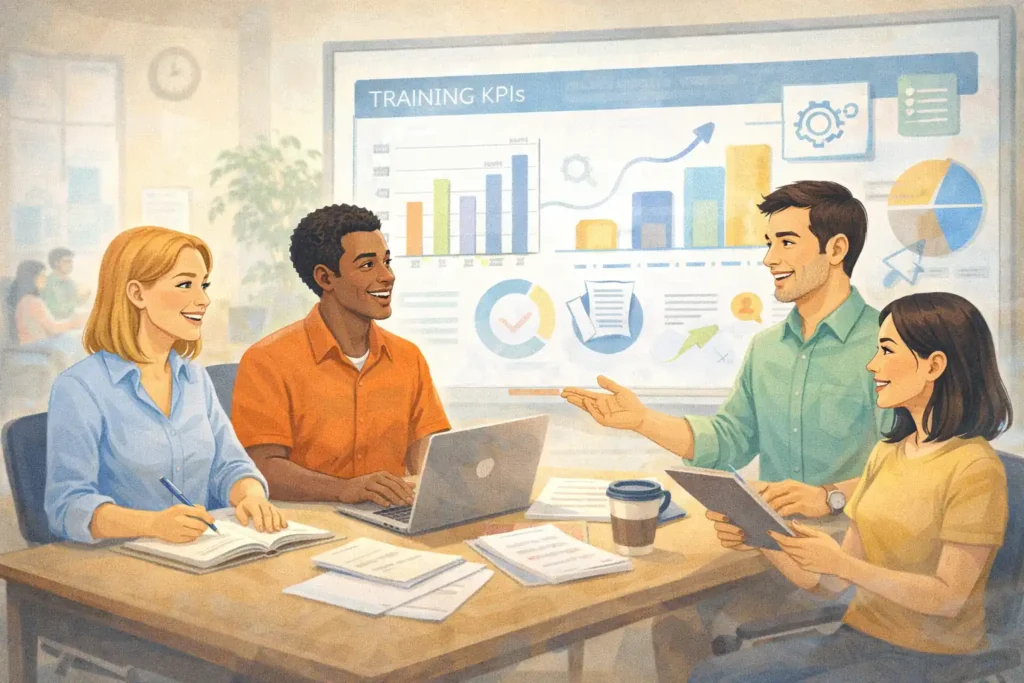
Collecting data via digital tools is relatively simple. The real challenge lies in translating insights into concrete actions that employees actually experience. Too many organizations get stuck in dashboards full of KPIs without anything changing in practice. Successful organizations close the feedback loop. When employees provide input via questionnaires or other channels, they transparently communicate what happens with that information. What improvements are being implemented? Why are certain suggestions not feasible? This openness strengthens trust and stimulates future participation. Make ownership clear. Who is responsible for acting on insights from employee feedback? Who monitors progress? Without clear responsibilities, good intentions disappear in the daily rush and digital tools remain nothing more than data collectors without impact.
The role of leadership in digital employee experience
Technology alone solves nothing. Leaders play a crucial role in how digital tools are experienced and used. When managers themselves don’t use feedback tools, show no transparency in digital platforms, or hold on to old ways of working, they send a powerful signal that new tools aren’t actually important. Effective leaders model the desired behavior. They share their own development goals in performance management systems, respond quickly to feedback via digital channels, and use data from employee experience platforms to better support their teams. This visible commitment legitimizes the tools and stimulates adoption. Invest in developing digital skills among your leaders. Not just the technical side, but especially interpreting data and conducting meaningful conversations based on insights. A manager who understands how psychological safety scores relate to team dynamics and makes this discussable creates more value than ten dashboards.
Measuring what matters
How do you know if your digital tools are actually improving the employee experience? Look beyond usage numbers and login statistics. These metrics tell you that people open a tool, not whether it adds value. Relevant indicators are changes in engagement scores, time-to-productivity for new employees, retention figures, and the quality of feedback you receive. Also measure the experience with the tools themselves: how quickly can employees find what they’re looking for? How much time do automated processes save? How do users rate the tools? Platforms like Deepler make it possible to make these connections visible. By combining regular, short measurements with organizational data, you gain insight into which interventions actually have an impact on the employee experience and where further optimization is needed.
The future is human and digital
The best digital employee experience emerges when technology strengthens human interaction instead of replacing it. Tools that save time on administrative tasks create space for meaningful conversations. Platforms that provide transparency enable trust. Systems that facilitate feedback deepen relationships. Start by identifying the biggest frustrations in your current employee experience. Which digital interventions would make the most difference here? Test small solutions, measure the impact, and scale what works. Involve your employees, close the feedback loop, and ensure that technology always serves people, not the other way around. The organizations that succeed in this don’t just build a better employee experience. They create a competitive advantage in the war for talent, increase their agility, and achieve better business results. That is the promise of digital tools that actually work.